

Introduction
Traditional call centers often fall short in meeting modern customer expectations, with long wait times, limited communication channels, and inefficient workflows. These outdated systems can leave customers feeling frustrated and undervalued. CCaaS Features offers a transformative solution by leveraging cloud-based technology to provide seamless, personalized support across multiple channels. This blog explores how CCaaS addresses the limitations of traditional call centers and why it’s the key to delivering exceptional customer experiences.

Why Traditional Call Centers Aren’t Enough Anymore
In today’s fast-paced world, traditional call centers simply can’t keep up. The expectations of customers have evolved, and businesses must adapt to stay competitive. If you’re still relying on outdated systems, it’s time to rethink how you connect with your customers. Let’s break down why traditional call centers fall short and why modern solutions are the way forward.
Limited Communication Channels
Traditional call centers typically rely on phone calls alone. While this worked in the past, today’s customers expect to interact via multiple channels—whether that’s email, chat, or even social media. If you’re not meeting them where they are, you risk losing valuable opportunities for engagement.Key Features of Modern Solutions:
- Omnichannel Support: CCaaS platforms enable you to manage voice, chat, email, and social media interactions from one centralized platform, ensuring you never miss a message.
- Customer Preferences: Modern solutions let you meet customers on their preferred channel, leading to better customer satisfaction and fewer abandoned interactions.
- Seamless Transitions Between Channels: With CCaaS, customers can switch between channels (e.g., from chat to voice) without repeating themselves, offering a smoother experience.
- Real-Time Communication: Instant communication through chat or messaging apps ensures that urgent customer issues are resolved quickly, unlike waiting in long phone queues.
Inefficient Call Routing
Manual call routing can cause unnecessary delays, sending customers to the wrong agents or making them wait for long periods. This results in frustrated customers and overburdened agents. Traditional systems often lack the intelligence to route calls to the right person efficiently, making customer service feel more like a hassle than a solution.
Limited Scalability
As your business grows, traditional call centers can quickly become overwhelmed. Adding new lines or training agents on outdated systems is time-consuming and costly. Scaling should be simple, but older technology often makes expansion difficult.
Traditional call centers are no longer enough to meet modern customer demands. They struggle with limited communication channels, slow response times, and outdated systems. Today’s customers expect fast, seamless interactions across multiple platforms. Cloud-based solutions offer a more efficient, scalable approach to meeting these needs and enhancing customer satisfaction.
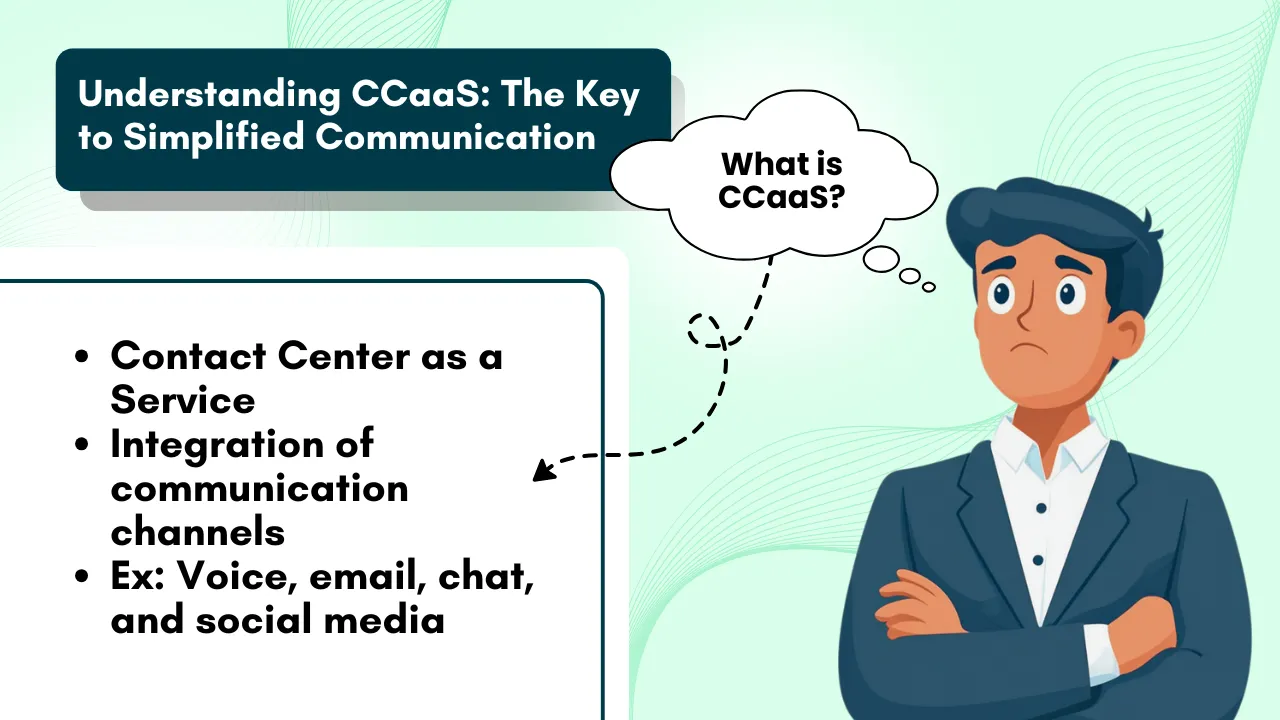
Understanding CCaaS: The Key to Simplified Communication
CCaaS is a cloud-based solution that combines all communication channels—voice, chat, email, and social media—into one platform. It streamlines customer support, making it easier for businesses to scale and manage interactions efficiently. With real-time data and automation, it enhances both agent productivity and customer experience.
What is CCaaS?
CCaaS stands for Contact Center as a Service. It’s a cloud-based solution that enables businesses to manage customer interactions through various communication channels like voice, email, chat, and social media. Instead of investing in expensive on-site hardware, companies can use CCaaS platforms that are hosted on the cloud. This allows them to manage customer service operations from anywhere, anytime, with the flexibility to scale up or down as needed.
Why is CCaaS Important?
CCaaS simplifies communication for both businesses and customers by providing an all-in-one, easy-to-use platform for managing customer inquiries. It’s a cost-effective solution that removes the need for costly infrastructure and makes advanced customer support tools, like AI-driven chatbots and analytics, more accessible to businesses of all sizes.Benefits of CCaaS:
- Flexibility: Agents can work from anywhere, making remote and hybrid work environments easier to manage.
- Scalability: Easily adjust capacity based on business needs without costly investments in physical infrastructure.
- Cost-Effective: Pay-as-you-go pricing reduces upfront costs and ongoing maintenance expenses.
- Omnichannel Support: Seamlessly manage customer interactions across various channels, providing a unified experience.
By using CCaaS, businesses can offer a better customer experience, improve agent productivity, and cut costs—all without the complexity of traditional call center systems.
CCaaS is a cloud-based tool that brings together all communication channels into one easy-to-manage platform. It makes customer service more efficient, scalable, and responsive, improving both team performance and customer satisfaction.

How CCaaS Makes Life Easier for Your Team
CCaaS simplifies operations by providing a single platform for all communications. With real-time analytics and automated routing, agents can focus on delivering great service without juggling multiple tools. This increases productivity, reduces stress, and helps teams provide faster, more personalized support.
Streamlined Workflow with a Centralized Dashboard
One of the biggest challenges in traditional systems is juggling multiple platforms for different customer interactions. CCaaS eliminates this by providing a single dashboard that integrates all communication channels, making it easy for agents to manage conversations without switching between different tools.
- Unified Interface: All channels (voice, chat, email, etc.) in one place.
- Quick Access to Customer History: Easily view previous interactions for context.
- Simplified Case Management: Track and resolve customer queries more efficiently.
Real-Time Insights and Seamless Collaboration
Real-time data is essential for helping agents provide better service on the spot. With CCaaS, agents can access live performance metrics and information on ongoing customer interactions. This allows them to make quick adjustments if needed, ensuring customers get the help they need without unnecessary delays. Collaboration is another key feature—agents can easily communicate with teammates, share knowledge, and get support when handling complex issues. This teamwork creates a positive, supportive environment that not only improves the service but also lifts morale within the team.
A Positive Impact on Team Morale
When agents feel supported and equipped with the right tools, their job satisfaction naturally improves. CCaaS creates a working environment where agents don’t feel overwhelmed by a clutter of systems and processes. Instead, they have everything they need in one place and can get support from colleagues at any time. This ease of use and the ability to collaborate smoothly not only improves the customer experience but also fosters a more positive, energetic atmosphere within the team. Happy, confident agents are more likely to stay engaged and motivated, which ultimately benefits the business as a whole
CCaaS streamlines team workflows, combining all communication tools in one platform, improving productivity and reducing stress. It allows agents to focus on what matters—delivering excellent customer service with ease.

Instant Communication Across Multiple Channels
With instant communication across multiple channels like voice, chat, email, and social media, businesses can reach customers wherever they are. This integration allows for a seamless customer experience, where inquiries are addressed quickly across any platform. By combining these channels, businesses ensure that no customer is left waiting, providing a more responsive and accessible service.
Unified Communication for Seamless Customer Interactions
With all communication channels in one place, teams don’t need to jump between systems or worry about missing important messages. Everything is centralized and accessible, which makes it easier to track customer interactions and respond without delays. This means no more switching tabs or opening multiple windows—agents can focus on what matters: helping customers.
- Multi-Channel Support: Handle customer inquiries from voice calls, emails, chats, and social media in one system.
- Faster Response Times: Access all incoming queries in one place, allowing for quicker replies and more efficient resolutions.
- Better Customer Insights: View the full history of customer interactions, regardless of the communication method used, for more personalized service.
- Consistency Across Channels: Ensure your customers get the same level of service, whether they reach out by phone, email, or social media.
Enhanced Collaboration for Better Outcomes
When all channels are connected, agents and team members can collaborate more easily. If one agent needs assistance with a customer issue, they can quickly share information and escalate the matter, ensuring the customer gets the best support possible. This collaborative approach not only helps resolve issues faster but also creates a smoother, more cohesive experience for customers.
It’s not just about resolving a customer query—it’s about creating an experience where everyone is on the same page. Having all the information in one place allows team members to easily support each other, share ideas, and work together to solve problems, making every customer interaction more effective.

Real-Time Analytics: A Sneak Peek into What’s Working
Real-time analytics provide instant insights into customer interactions, allowing agents to adjust quickly. With live data on performance metrics like call volume and response times, teams can spot issues early and make informed decisions. This helps improve service quality and enhance customer satisfaction
Instant Feedback for Agents
Real-time analytics provide agents with immediate, actionable feedback that helps them stay on track during customer interactions. The ability to monitor performance metrics as they happen allows agents to adjust their approach before small issues become bigger ones. For example, if an agent is taking longer than usual to handle a call, real-time data can flag this and prompt them to speed up or escalate the issue. This real-time feedback isn’t just about meeting benchmarks—it’s about giving agents the tools they need to succeed and keep customers happy.
- Quick Self-Assessment: Agents can track their performance in real-time, adjusting as needed to improve service.
- Better Decision Making: Live data helps agents make quick decisions, reducing lag time in responses.
- Continuous Improvement: Agents can monitor their progress and adjust their approach to enhance customer satisfaction throughout the day.
Spotting Problems Early
With real-time data, customer service teams don’t have to wait until the end of the day to spot problems. As soon as an issue arises—whether it’s a surge in customer queries, recurring complaints, or delays in response times—agents and managers can spot these patterns immediately. This allows for faster resolutions and prevents small issues from turning into larger disruptions. Real-time insights also enable teams to adapt and improve their service strategies as they work, ensuring that customer needs are addressed promptly.
Helping Managers Lead with Insight
Real-time analytics provide managers with valuable insights to support their teams and make data-driven decisions. With live performance data, managers can adjust workflows, offer assistance, and enhance team efficiency.
- Supporting Teams in Real-Time: Managers can step in immediately to assist agents when needed, ensuring smoother service.
- Making Data-Driven Decisions: Managers use live data to make informed decisions about staffing and resource allocation.
- Strategic Planning for Growth: Real-time data helps managers identify trends, improve training, and refine processes for long-term success.
Real-time analytics provide businesses with immediate data on performance, allowing for quick adjustments and faster issue resolution. This leads to improved service, quicker decisions, and a better overall customer experience.

Collaboration Features: Building Stronger Teams from Anywhere
Collaboration tools help remote and in-office teams work together effortlessly, with features like shared workspaces and real-time communication. This improves team productivity, speeds up solutions, and strengthens team unity, no matter the distance.
Collaboration Feature | Description |
Instant Messaging and Team Communication | Enables quick communication between agents and managers via direct messaging or group chats, regardless of location. |
Screen Sharing and Co-Viewing | Agents can share their screens with colleagues to solve issues together in real-time, even when working remotely. |
Knowledge Sharing | A shared hub for agents to access answers, resources, and guides, ensuring easy information sharing and consistency. |
Shared Task Management | Tracks open tasks, deadlines, and handoffs, helping agents stay aligned on priorities and deadlines. |
Real-Time Feedback and Collaboration | Managers provide immediate feedback to agents, ensuring quick adjustments and improvements during customer interactions. |
Virtual Team Huddles | Virtual meetings for regular team check-ins and updates, fostering collaboration and team bonding. |
Integrated CRM Access | Integration with CRM systems gives agents quick access to customer data, ensuring personalized service. |
Cross-Department Collaboration | Allows agents to easily collaborate with other departments to resolve customer issues more quickly. |
Collaboration features allow teams to work together effortlessly, whether remote or in-office, enhancing productivity and ensuring quick solutions. These tools create a strong sense of teamwork and help agents provide better service from anywhere.
Smart call routing connects customers to the right agent quickly, reducing wait times and frustration. By using intelligent algorithms, calls are directed based on skill, urgency, and customer history, ensuring a personalized experience. This boosts efficiency, improves resolution speed, and enhances customer satisfaction.
Reducing Wait Times
One of the main benefits of smart call routing is its ability to cut down on long wait times. Instead of being placed on hold until the next available agent, customers are routed directly to an agent with the appropriate skills or expertise. This helps reduce customer frustration, ensuring they’re not kept waiting unnecessarily. Faster connections lead to quicker resolutions, improving overall satisfaction. Additionally, reducing wait times helps to lower the number of dropped calls and abandoned queues, which ultimately strengthens customer loyalty.Key Features in Reducing Wait Times:
- Priority Routing: Customers with urgent issues can be prioritized, ensuring they get connected to an agent faster.
- Skill-Based Matching: Calls are directed to the agent best suited for the customer’s needs, reducing the need for transfers and hold times.
- Dynamic Queue Management: Automatically adjusts queues based on call volume, minimizing wait times during peak periods.
- Call Back Option: If wait times are still longer than usual, customers can opt for a callback, ensuring they don’t have to wait in line.
Customizing Routing Based on Customer Data
Smart routing systems can use data such as customer history, preferences, or location to direct calls to the right agent. For example, if a customer frequently calls for technical support, the system can automatically route them to an agent with technical expertise. This level of personalization creates a smoother experience for the customer, as their issue is handled right away by someone who knows exactly how to help.
Additionally, using customer data enables the system to make more informed decisions about who should handle the call. If a customer has previously had a negative experience with a certain department or agent, the system can route the call to a different agent to avoid further frustration. This not only enhances the customer experience but also helps improve overall customer satisfaction by ensuring that every interaction is as positive and efficient as possible.
Smart call routing optimizes customer service by connecting calls to the most suitable agent, minimizing wait times and improving resolution speed. This intelligent approach enhances customer satisfaction and streamlines call handling for better business efficiency.

Secure & Reliable Communication You Can Trust
In today’s digital world, secure communication systems are essential to protect customer data and ensure privacy. Businesses need features like end-to-end encryption, secure access controls, and continuous monitoring to stay compliant with regulations. These tools safeguard sensitive information and maintain confidentiality, both internally and externally.
Why Security and Reliability Matter
In today’s digital world, communication security is essential for both businesses and customers. When your platform is secure, it doesn’t just protect sensitive data—it also helps your business stay in line with legal and industry regulations, such as GDPR, HIPAA, and PCI DSS. These standards ensure that you’re not only following the law but also giving your customers the peace of mind they need when interacting with your company.Here are key reasons why security and reliability should be a top priority:
- Building Customer Trust: Secure communication tools show customers their data is safe, fostering long-term trust.
- Regulatory Compliance: Adhering to regulations like GDPR and HIPAA ensures your business avoids legal complications.
- Protecting Your Brand: A security breach can damage your reputation; protecting communications keeps your brand safe.
- Reducing Financial Risks: By preventing breaches, you avoid costly fines and loss of customer loyalty.
Keeping Your Business and Customers Safe
By choosing communication systems with robust security features, you not only protect your business but also safeguard your customers’ sensitive information. This allows you to build long-term trust, knowing that both your business and customers are shielded from potential threats. Secure systems give you peace of mind, so you can focus on providing excellent service without constantly worrying about data breaches or security vulnerabilities.
When your customers feel safe, they are more likely to engage and remain loyal, giving you a solid foundation to grow your business. Security isn’t just about preventing risks—it’s about creating an environment where customers feel confident and valued in every interaction.
Secure and reliable communication tools not only protect your business from threats but also build trust with your customers. With the right features in place, businesses can ensure seamless communication and safeguard sensitive data, allowing for better service and stronger relationships.
Conclusion
Customer service is no longer just about resolving queries; it’s about creating an experience that delights customers. Imagine a world where your agents have the tools and information they need to provide instant support, where customers feel valued and understood, and where every interaction strengthens your brand. With features like real-time analytics, collaboration tools, and smart call routing, CCaaS empowers businesses to deliver exceptional service and build stronger relationships with their customers. It’s about more than just answering calls; it’s about creating a seamless, human-centered experience that leaves customers feeling satisfied and loyal.