
Understanding the psychological effects of gambling A deep dive into the mind game
The Allure of Gambling
The world of gambling is often depicted as glitzy and glamorous, attracting millions with its promise of excitement and fortune. This allure is deeply rooted in psychological triggers that lure individuals into both casual and heavy play. Factors such as the thrill of winning, the social aspect of gaming, and the desire for escapism all contribute to this phenomenon. If you’re looking for a great place to start, explore https://nongamstopsites.uk/malta-casinos/ for insights into non-GamStop casinos. Understanding these motivations can help clarify why so many are drawn to gambling, despite the associated risks.
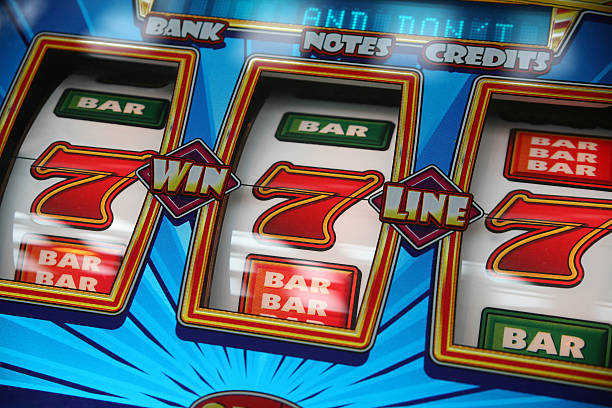
The potential for a life-changing win feeds a powerful psychological cycle. The intermittent rewards associated with gambling—where players experience wins followed by losses—create a compelling environment for continued engagement. This setup taps into the brain’s reward system, reinforcing behaviors that lead individuals to chase that next big win, often leading to a cycle of compulsive gambling.
The Role of Emotion in Gambling
Emotional states play a significant role in gambling behaviors. Many individuals turn to gambling as a means to cope with stress, anxiety, or depression. This behavior can lead to temporary feelings of relief but often results in greater emotional turmoil when faced with losses. The highs of winning can evoke feelings of euphoria, while losses can spiral into despair, creating a volatile emotional landscape.
The Impact of Cognitive Biases
Cognitive biases significantly influence gambling behavior. One common bias is the “illusion of control,” where gamblers believe they can influence outcomes in games of chance, such as slot machines or roulette. This misconception can lead to increased gambling, as individuals convince themselves they have a strategy for success.
The Social Dimension of Gambling
The social aspect of gambling cannot be overlooked. Many people engage in gambling activities as a form of social interaction, whether at casinos, sports events, or online platforms. This camaraderie can enhance the overall experience, making it more enjoyable and appealing. However, this social dimension can also foster competitive behaviors, where individuals may feel pressured to gamble more or take greater risks to keep up with friends.

Resources for Understanding Gambling Effects
As the psychological effects of gambling continue to gain attention, resources are becoming increasingly available for those affected. Understanding these effects is crucial for both individuals and their loved ones. Educational materials, support groups, and professional counseling services can provide valuable insights and assistance in navigating gambling behaviors.